Why Is My Floor Sagging? Common Causes in Older Grand Rapids Homes
If you own an older home in Grand Rapids, you've probably noticed a slight dip or wave in your hardwood floors. That spongy feeling underfoot or the way marbles roll across the kitchen isn't just annoying, it's a warning sign. Sagging floors don't develop overnight, and understanding what causes them is the first step toward fixing the problem before it becomes a safety hazard.
The most common culprit behind sagging floors in older homes is Wood Rot & Dry Rot Repair damage to the floor joists or support beams underneath. When moisture penetrates your basement or crawl space, wood absorbs water and begins to deteriorate. Dry rot, which sounds counterintuitive, actually thrives in damp conditions and causes wood to lose its structural integrity from the inside out. Once the joists weaken, they can no longer support the weight of the floors and everything above them, leading to that telltale sag.
Another frequent cause is Termite Damage Repair issues. Termites are silent destroyers, tunneling through wood and leaving it hollow and weak. Many homeowners don't realize they have a termite problem until the structural damage is already significant. Foundation settlement and age-related deterioration also contribute to sagging, especially in homes built in the early-to-mid 20th century when building codes were less stringent. Over decades, the wood simply loses its ability to bear loads effectively.
How Floor Joist Repair Works: Understanding Sistering Floor Joists
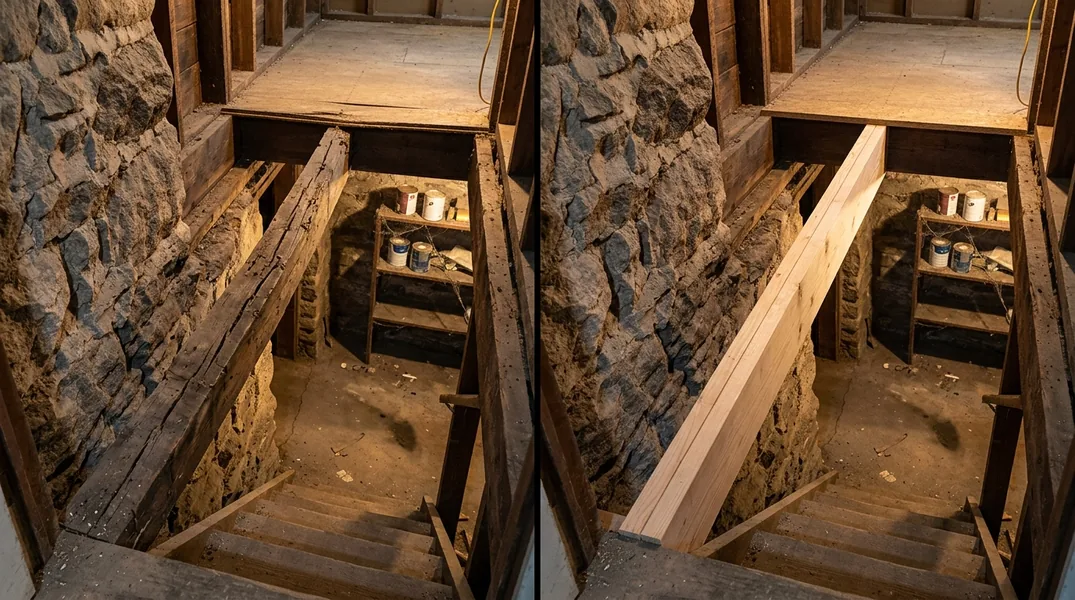
When a structural engineer or carpenter assesses your sagging floor, they're looking at the condition of the floor joists and determining whether they can be reinforced or need replacement. The most popular and cost-effective repair method is called sistering floor joists. This technique involves installing a new, pressure-treated joist alongside the existing damaged one, essentially doubling the support capacity. The two joists are bolted or screwed together, creating a strong composite beam that can handle the load again.
Floor Joist & Subfloor Repair through sistering is ideal when the existing joist still has some structural integrity but has weakened due to rot, insect damage, or age. The process requires careful measurement, proper fastening intervals, and often temporary support beams to hold the floor level while work is underway. If rot is extensive or the joist is severely compromised, full replacement may be necessary instead. A professional carpenter will examine the damage depth and recommend the best approach for your specific situation.
The advantage of sistering is that it's less invasive than complete joist replacement and often costs less. However, it does require access from below, which means working in your crawl space or basement. The work is dusty and sometimes uncomfortable, but it's a proven method that restores structural integrity without requiring you to leave your home during repairs. Temporary support posts are typically installed first to lift the floor back to level, then the new joist is installed alongside the old one.
When to Call a Professional: Floor Joist Repair Near Me
Recognizing when a sagging floor requires professional attention is crucial. Minor sags that are barely noticeable might be cosmetic, but any floor that visibly slopes, feels bouncy, or has gaps between the floor and baseboards needs expert evaluation. If you notice doors that won't close properly, cracks in drywall, or visible separation between walls and ceilings, your structural issues have likely progressed beyond simple cosmetic concerns.
Attempting DIY floor joist repair is risky and often violates local building codes. Grand Rapids has specific building standards that must be met, and any structural work requires proper permits and inspections. Professional carpenters understand load calculations, temporary support requirements, and the proper installation methods that ensure your repair will be safe and lasting. They also have the equipment to safely work in crawl spaces and handle the heavy lifting involved.
Grand Rapids Carpentry specializes in floor joist repair and can assess your situation with a thorough inspection. We'll identify the root cause of the sagging, whether it's moisture, rot, termites, or age-related deterioration, and recommend the most effective repair strategy. If you're concerned about your floors, reaching out for a free estimate is the smart first step. You can also call us at (616) 504-6094 to discuss your specific situation.
Sagging Floor Repair Cost in Grand Rapids: What to Budget
The cost of repairing sagging floors varies widely depending on the extent of damage, the size of the affected area, and the repair method required. Sistering a single floor joist typically ranges from $300 to $800 per joist, while full joist replacement can cost $500 to $1,500 per joist. These figures include labor, materials, and temporary support installation. If multiple joists need repair or if underlying moisture issues must be addressed first, costs increase accordingly.
More complex repairs involving Beam Replacement & Load-Bearing Wall Removal can range from $2,000 to $10,000 or more, depending on the structural scope. You may also need to budget for moisture remediation, crawl space encapsulation, or basement waterproofing if dampness caused the initial damage. Many homeowners are surprised to learn that addressing the moisture source is just as important as repairing the wood itself, otherwise the problem will recur within a few years.
Getting accurate pricing requires a professional inspection. Every home is different, and factors like the age of your house, the extent of rot, accessibility of the crawl space, and whether permits are required all affect the final bill. Grand Rapids Carpentry provides detailed estimates that break down labor, materials, and any additional work needed. We'll explain the options available and help you understand what's necessary versus what's optional, so you can make an informed decision about your home's structural health.
Preventing Future Sagging: Moisture Control and Maintenance
Once your floors are repaired, the best investment you can make is preventing future damage. The primary enemy of wood structural members is moisture. Keeping your crawl space or basement dry is essential for long-term floor health. This means ensuring your gutters and downspouts direct water away from the foundation, grading the soil around your home to slope away from the house, and maintaining proper ventilation in crawl spaces.
Regular inspections are your early warning system. Schedule a professional evaluation every 3 to 5 years, especially if your home is older or you've had previous moisture issues. Look for signs of new rot, soft spots when you press on the subfloor, or musty odors in the basement or crawl space. Catching problems early, before they compromise structural integrity, saves thousands in repair costs down the road. If you notice any warning signs, contact a professional carpenter promptly rather than waiting for the problem to worsen.
Proper drainage and ventilation also help prevent termite infestations and reduce the conditions that encourage dry rot. Keeping wood members dry and well-ventilated makes your home a less attractive target for destructive pests. If you've had termite issues in the past, consider annual inspections to catch any new activity before it becomes serious. By staying proactive about maintenance and moisture control, you can protect your investment and ensure your home remains safe and structurally sound for decades to come.
Ready to Address Your Sagging Floors? Contact Grand Rapids Carpentry Today
Sagging floors are a structural issue that won't resolve on their own, and the longer you wait, the more expensive the repair becomes. Whether your floors show signs of rot, termite damage, or simple age-related settlement, professional assessment and repair are essential. Grand Rapids Carpentry has helped dozens of homeowners throughout the region restore their floors to safety and stability.
Don't let a sagging floor compromise your home's integrity or your family's safety. Call us at (616) 504-6094 or visit our website to request a free estimate. We'll inspect your floors, identify the underlying cause, and provide you with a clear, honest assessment of what needs to be done and what it will cost. Let Grand Rapids Carpentry get your home back on solid ground.
Looking for a professional carpentry contractor in Grand Rapids? Grand Rapids Carpentry responds fast for all your carpentry needs.
Get a Free QuoteOur services: Wood Rot & Dry Rot Repair · Termite Damage Repair · Floor Joist & Subfloor Repair