Why Heritage Hill Homes Demand Different Care
Living in a Grand Rapids heritage home is a privilege and a responsibility. The Victorian and early 20th-century architecture that defines neighborhoods like Heritage Hill represents irreplaceable craftsmanship, but it also comes with maintenance challenges that modern homes simply don't face. These older structures were built with materials and methods that have aged over a century or more, and they require a thoughtful, informed approach to preservation.
The wood in heritage homes tells a story. Original timber framing, hardwood floors, ornate trim work, and exterior siding are often made from old-growth lumber that no longer exists in commercial supply. When damage occurs, it's not just about fixing a problem; it's about honoring the home's historical integrity while ensuring it remains safe and livable for your family. This is where understanding the specific vulnerabilities of older homes becomes essential.
The Hidden Enemy: Understanding Wood Rot in Historic Homes
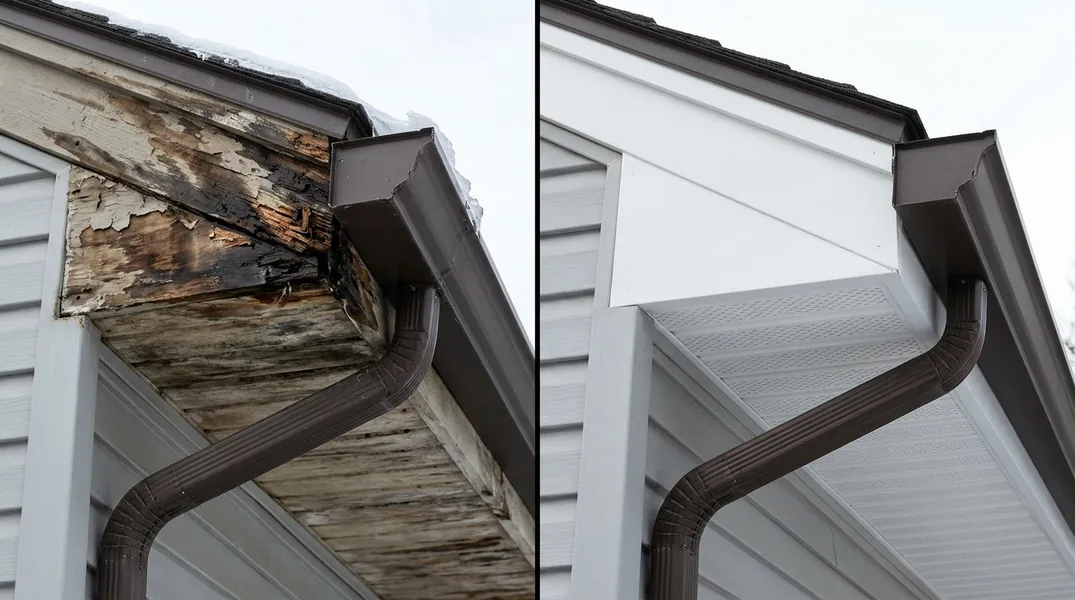
Wood Rot & Dry Rot Repair is one of the most common issues facing heritage homeowners in Grand Rapids. The wet Michigan climate, combined with aging roofs, failing gutters, and deteriorating caulking, creates the perfect environment for fungal decay. Unlike newer construction with modern waterproofing, heritage homes often lack proper moisture barriers, making them especially vulnerable to both wet rot and dry rot.
Dry rot is particularly insidious because it can spread through wood without visible moisture on the surface. It thrives in poorly ventilated spaces like crawl spaces, attics, and behind exterior walls. Wet rot, on the other hand, develops where water is actively penetrating: around windows, at foundation level, under roof overhangs, and in areas where gutters have failed. Both types can compromise the structural integrity of your home if left unaddressed, but both are also preventable with proper maintenance and early intervention.
The challenge with heritage homes is that rot often hides behind original plaster walls, under multiple layers of paint, or within wall cavities. By the time you notice soft wood or discoloration, the damage may be more extensive than it appears. This is why regular inspections and prompt action are critical for preserving these architectural treasures.
Victorian Home Maintenance: A Year-Round Checklist
Proper Grand Rapids victorian home maintenance begins with understanding the seasonal challenges your property faces. Spring is the time to inspect your roof for winter damage, clean gutters and downspouts thoroughly, and check for water infiltration around windows and doors. Look for soft spots in exterior wood trim, peeling paint, and any signs of moisture damage. This is also when you should have your foundation inspected for cracks or water seepage that may have developed during winter freeze-thaw cycles.
Summer offers the best window for exterior repairs and maintenance. Paint, caulk, and seal exterior wood surfaces before the fall rains arrive. Inspect your basement or crawl space for standing water, mold, or musty odors. Check that your downspouts are directing water at least four to six feet away from the foundation. If you notice any soft wood on porches, exterior stairs, or trim work, address it immediately before moisture penetration worsens. Summer is also the ideal time to have any needed wood rot repairs completed by experienced professionals.
Fall requires attention to roof maintenance and gutter cleaning before winter weather arrives. Remove leaves and debris from gutters, inspect flashing around chimneys and roof penetrations, and ensure your attic has proper ventilation. Winter maintenance is largely preventive: monitor for ice dams, ensure adequate insulation, and keep an eye on any areas where you've noticed moisture problems in the past. A consistent maintenance schedule prevents small issues from becoming major (and expensive) structural problems.
Wood Trim Repair and Restoration in Heritage Homes
The ornate wood trim, crown molding, window casings, and baseboards that define heritage homes are architectural features worth preserving. However, they're also highly exposed to moisture and weathering, making them frequent targets for rot and deterioration. Wood trim repair in historic homes requires both technical skill and an appreciation for period-appropriate materials and finishes.
Many heritage homeowners face a choice: repair original trim or replace it. When possible, repair is preferable because it maintains the home's historical character and authenticity. However, if rot has compromised more than 30 percent of a trim piece, or if the wood has become structurally unsound, replacement may be necessary. The key is working with carpenters who understand how to match original profiles, wood species, and finishes. Modern exterior paints and sealers also offer better protection than what was available decades ago, so restoring trim with contemporary products can actually extend its life while maintaining its appearance.
Interior wood trim presents different challenges. Original hardwood trim inside heritage homes is often valuable and irreplaceable. Water damage from roof leaks, plumbing issues, or foundation moisture can cause significant harm. Early detection is crucial. If you notice soft spots, discoloration, or warping in interior trim, have it inspected promptly to determine whether the damage is cosmetic or structural.
When to Call a Professional: Wood Rot & Dry Rot Repair Near Me
Not every wood maintenance issue requires professional intervention, but knowing when to call in an expert can save you thousands of dollars in future repairs. If you notice soft or spongy wood, visible fungal growth, musty odors in your basement or crawl space, or if you suspect water is penetrating your walls or foundation, it's time to contact a professional. Similarly, if you're dealing with large areas of deteriorated exterior wood, structural concerns, or rot that extends into framing members, professional assessment is essential.
Grand Rapids Carpentry specializes in diagnosing and repairing wood damage in heritage homes throughout the region. Our team understands the unique challenges that older homes present, and we know how to preserve their character while ensuring they're structurally sound and protected from future damage. We can identify hidden rot, assess the extent of damage, and recommend repair strategies that balance preservation with practicality. Whether you're dealing with a small area of trim damage or extensive structural concerns, getting a professional evaluation early prevents problems from worsening. Call us at (616) 504-6094 or request a free estimate to discuss your home's specific needs.
Prevention Strategies That Actually Work
The most cost-effective approach to heritage home maintenance is prevention. Start with your roof and gutters, which are your home's first line of defense against water damage. A well-maintained roof with proper flashing, clean gutters, and correctly positioned downspouts prevents the majority of moisture-related problems. Inspect your roof annually, especially after storms, and don't delay repairs. A single missing shingle or failed flashing can allow water into your walls, where it can cause rot for months before you notice anything wrong.
Proper ventilation is equally important. Attics, crawl spaces, and basements need adequate air circulation to prevent moisture buildup. If your home has a crawl space, consider installing a vapor barrier and ensuring there are vents on all sides. In your attic, confirm that soffit and ridge vents aren't blocked by insulation or debris. Good ventilation also reduces the conditions that attract pests like termites, which can compound wood damage.
Exterior caulking and painting deserve regular attention too. Every five to seven years, inspect and recaulk windows, doors, and exterior joints. Use high-quality exterior caulk and paint designed for the material you're protecting. Monitor foundation cracks and ensure the grading around your home slopes away from the foundation. Keep gutters clean and ensure downspouts extend away from the house. These seemingly small tasks prevent water from finding its way into your home's structure, which is where the real damage begins.
Looking for a professional carpentry contractor in Grand Rapids? Grand Rapids Carpentry responds fast for all your carpentry needs.
Get a Free QuoteOur services: Wood Rot & Dry Rot Repair · Termite Damage Repair · Floor Joist & Subfloor Repair