Why Lead Paint in Old Trim Is a Serious Concern
If your Grand Rapids home was built before 1978, there is a significant chance that the interior and exterior trim contains lead paint. The U.S. Environmental Protection Agency banned lead-based paint for residential use in 1978, but millions of homes across the country, including many in Grand Rapids, still have original trim coated with this toxic material. Lead exposure poses serious health risks, particularly for young children and pregnant women, causing developmental delays, learning difficulties, behavioral problems, and other long-term health effects.
Many homeowners don't realize the danger until they begin renovation work. When old trim is sanded, scraped, or disturbed without proper precautions, lead dust becomes airborne and can contaminate your home and yard. This is why lead-safe carpentry practices are not just recommended but legally required for any renovation work that disturbs lead paint in homes built before 1978. Attempting DIY removal or hiring an uncertified contractor can expose your family to hazardous levels of lead and may result in significant fines.
Understanding EPA RRP Certification and Lead-Safe Work Practices
The EPA's Renovation, Repair, and Painting (RRP) Rule requires that anyone disturbing lead paint in pre-1978 homes must be certified and follow strict containment and cleanup protocols. An EPA RRP contractor has completed training, passed certification exams, and understands how to minimize lead dust and prevent contamination. When you hire a certified lead-safe carpentry professional, you're investing in your family's health and your home's safety.
Lead-safe work practices include using HEPA vacuum systems, wet methods instead of dry sanding, plastic sheeting and tape to contain work areas, and specialized disposal procedures for lead-contaminated materials. These aren't shortcuts or optional extras; they're mandatory requirements. A reputable EPA RRP contractor will explain these measures upfront, answer your questions about the process, and provide documentation showing compliance with federal regulations. This certification also protects you legally, as the contractor assumes responsibility for proper containment and cleanup rather than leaving liability with you as the homeowner.
Lead Paint Trim Removal: What the Process Looks Like
Lead paint trim removal in older homes requires careful planning and execution. The process begins with a lead inspection and risk assessment to determine the extent of contamination and the best removal strategy. Some trim may be encapsulated (sealed in place), while other pieces may need complete removal and replacement, especially if they're damaged by Wood Rot & Dry Rot Repair or structural issues.
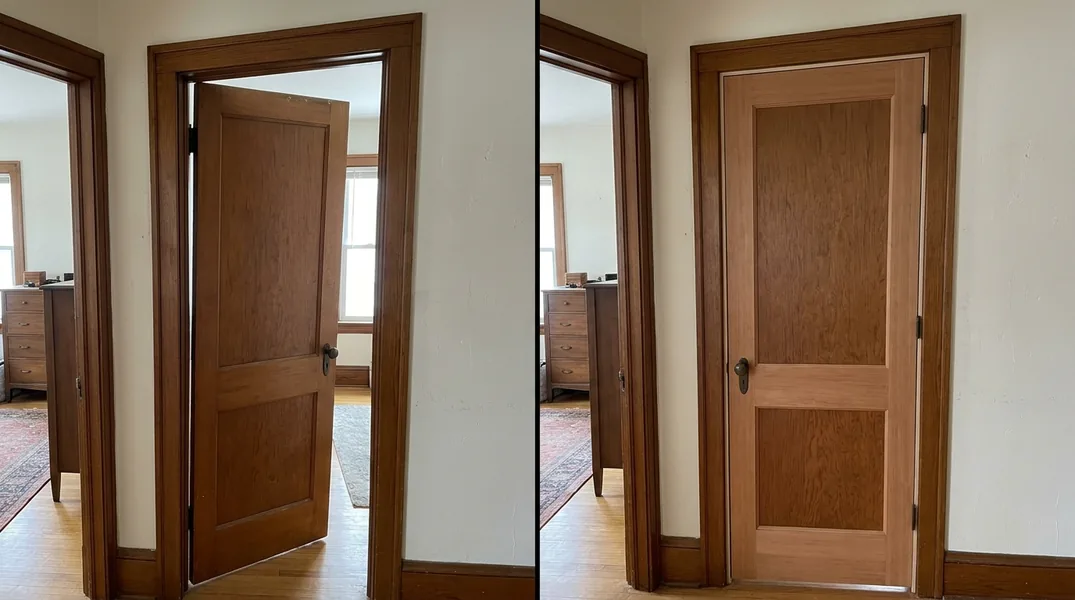
During removal, the work area is sealed off with plastic sheeting and negative air pressure equipment to prevent lead dust from spreading to other rooms. All trim pieces are carefully removed and placed in sealed containers for proper disposal at a licensed facility. The surrounding surfaces are cleaned multiple times using HEPA vacuums and wet wipes. After removal is complete, new trim is installed to match the original character of your home. This meticulous approach takes longer and costs more than careless removal, but it's the only way to safely protect your family and maintain your home's value.
Common Trim Issues Beyond Lead Paint in Pre-1978 Homes
While lead paint is a primary concern in older homes, trim damage often goes hand in hand with other structural problems. Wood rot, moisture damage, and pest infestations frequently affect original trim in homes that haven't had proper maintenance. When you're addressing lead paint removal, it's an ideal time to assess the overall condition of your trim and address any underlying damage that could compromise your home's integrity.
If trim is soft, discolored, or crumbling, it likely contains rot that must be treated before new trim is installed. Moisture intrusion around windows and doors can cause both lead paint deterioration and wood decay. Some homeowners discover that what started as a lead paint removal project becomes a more comprehensive restoration involving Wood Rot & Dry Rot Repair, caulking, weatherproofing, and potentially Beam Replacement & Load-Bearing Wall Removal if structural members are affected. A qualified contractor will evaluate all these factors and provide a comprehensive scope of work before beginning.
Choosing a Lead-Safe Carpentry Contractor in Grand Rapids
Not all carpenters are EPA RRP certified, and not all certified contractors have the same level of expertise or commitment to quality. When you're selecting a lead-safe carpentry professional for your home, verify their certification directly through the EPA's database or ask for documentation. Ask about their experience with lead-safe work in pre-1978 homes, request references from previous clients, and inquire about their insurance coverage for lead-related work.
A trustworthy contractor will be transparent about costs, timelines, and the specific methods they'll use to protect your home. They should explain why certain steps are necessary, answer your questions without dismissing your concerns, and provide written documentation of all work performed. They'll also discuss post-removal testing and clearance procedures to ensure your home is safe after the project is complete. Grand Rapids Carpentry uses lead-safe work practices when removing old painted trim. When you're ready to move forward, contact us at (616) 504-6094 or request a free estimate to discuss your home's specific needs.
Protecting Your Family and Home Value Through Proper Lead Remediation
Addressing lead paint in your home is not just a health issue; it's also an investment in your property's future value and marketability. When you sell a pre-1978 home, buyers have the right to know about lead paint hazards. Homes with documented lead remediation completed by certified contractors are far more attractive to buyers and command better prices than homes with unaddressed lead concerns. Proper lead-safe removal and trim replacement can actually increase your home's appeal and value.
The cost of doing the job right is significantly less than the potential costs of health problems, fines for non-compliance, or problems selling your home later. If you own a pre-1978 home in Grand Rapids and are planning any renovation work, don't delay getting a professional assessment. The sooner you address lead paint issues with a certified EPA RRP contractor, the sooner you can enjoy your home with confidence. Contact Grand Rapids Carpentry today at (616) 504-6094 to schedule your consultation and learn how we can help protect your family while restoring your home's beauty and integrity.
Looking for a professional carpentry contractor in Grand Rapids? Grand Rapids Carpentry responds fast for all your carpentry needs.
Get a Free QuoteOur services: Wood Rot & Dry Rot Repair · Termite Damage Repair · Floor Joist & Subfloor Repair