Understanding Carpenter Ants in Michigan Homes
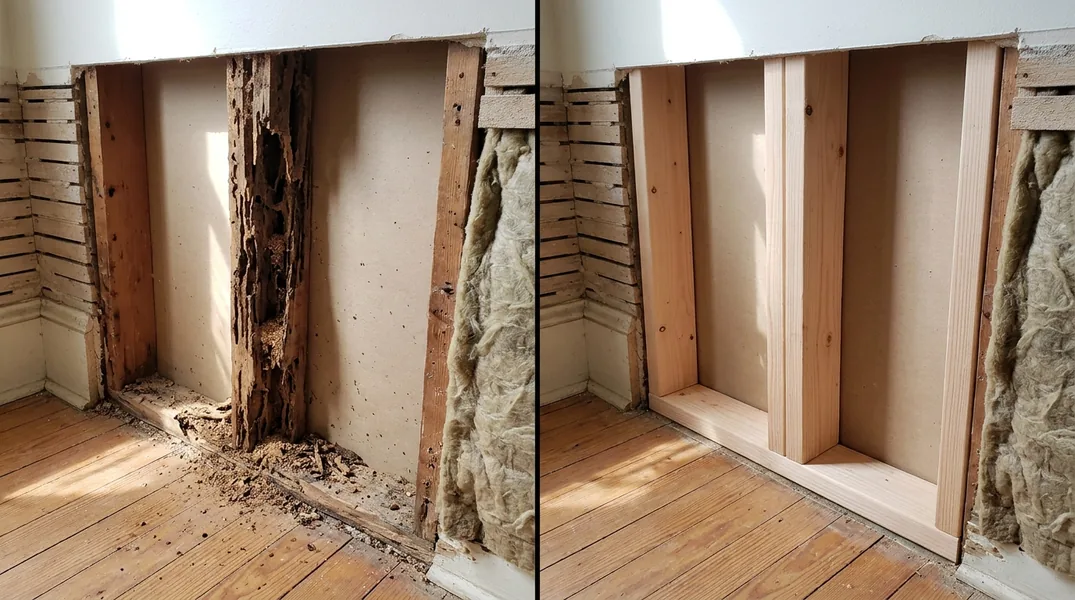
Carpenter ants are one of the most destructive wood-damaging pests in West Michigan, and they're far more common than many homeowners realize. Unlike termites, carpenter ants don't actually eat wood. Instead, they tunnel through it to create galleries where they nest and raise their colonies. This behavior leaves behind extensive structural damage that can compromise the integrity of your home if left untreated.
The problem is particularly acute in the Grand Rapids area, where our humid climate and older housing stock create ideal conditions for these pests. Carpenter ants are attracted to wood that has been softened by moisture, which is why homes with water damage, roof leaks, or poor drainage are especially vulnerable. Once a colony establishes itself, it can grow to include thousands of workers, all busily excavating tunnels and causing damage that may go unnoticed for months or even years.
Signs of Carpenter Ant Damage in Your Home
The first step in addressing a carpenter ant problem is recognizing the warning signs. Many homeowners don't realize they have an infestation until significant damage has already occurred. One of the most obvious indicators is the presence of carpenter ants themselves. These ants are larger than common household ants, typically between 0.5 and 1 inch long, and they're often seen traveling in trails, especially at night. If you spot large ants moving in organized patterns through your home, particularly near wood structures or entry points, this is a red flag.
Another telltale sign is the discovery of sawdust-like debris, called frass, near wooden structures. Carpenter ants push this material out of their tunnels, and it accumulates in small piles beneath damaged wood. You might find it under baseboards, in attics, or near window frames. Additionally, listen for faint rustling or clicking sounds coming from inside walls or wooden beams, especially at night when the ants are most active. Visible galleries or hollow-sounding wood also indicate active tunneling. Some homeowners notice small holes in wood surfaces where ants have created exit points, or they observe weakened structural areas that feel soft or spongy when probed.
How Carpenter Ant Damage Differs from Wood Rot
It's important to understand that carpenter ant damage is structurally different from Wood Rot & Dry Rot Repair issues, though the two problems often occur together. Wood rot is caused by fungal decay that actually breaks down the wood fibers themselves, making the wood soft, crumbly, and increasingly weak. Carpenter ant damage, by contrast, leaves the wood structure relatively intact but riddled with tunnels, which reduces its load-bearing capacity. The wood may appear solid on the surface while being completely hollowed out inside.
In Grand Rapids homes, it's common to find both problems occurring simultaneously. Moisture that attracts carpenter ants also promotes the fungal growth that causes rot. This combination can be particularly destructive. A professional inspection is essential because the repair approach differs depending on whether you're dealing with carpenter ants, rot, or both. If only the ants are eliminated without addressing the underlying moisture problem, they'll likely return. Similarly, if rot is present, the weakened wood may need replacement even after pest treatment.
Carpenter Ant Damage Repair: What the Process Involves
Repairing carpenter ant damage requires a two-part approach: pest elimination and structural restoration. First, the ant colony must be eliminated, which typically involves professional pest control treatment. This is crucial because simply removing damaged wood won't solve the problem if the ants are still present elsewhere in your home. A pest control professional will identify entry points, locate the nest, and apply appropriate treatments to eliminate the colony.
Once the pest problem is addressed, the structural repairs can begin. The extent of repair depends on how much damage the ants have caused. Minor damage might involve filling galleries with epoxy or wood filler and reinforcing the affected area. More extensive damage often requires partial or complete replacement of the damaged wood. For Floor Joist & Subfloor Repair, this process is especially important because floor joists are load-bearing elements that support the weight of your home. If they're significantly compromised, your floors may become soft, bouncy, or unstable. In severe cases, Beam Replacement & Load-Bearing Wall Removal may be necessary to restore structural integrity.
Prevention and Long-Term Protection
The best approach to carpenter ant damage is preventing it from happening in the first place. Since these pests are attracted to moisture, controlling moisture in and around your home is the single most important preventive measure. This means fixing roof leaks promptly, ensuring gutters and downspouts direct water away from your foundation, maintaining proper grading around your home, and addressing any plumbing leaks. Reducing humidity inside your home through proper ventilation also helps, as does keeping wood-to-soil contact to a minimum (carpenter ants can more easily access wood that touches the ground).
Regular inspections are equally important. Many homeowners don't discover carpenter ant damage until it's extensive and costly to repair. By conducting annual inspections of vulnerable areas like attics, basements, crawl spaces, and areas around windows and doors, you can catch problems early. If you notice any of the warning signs mentioned earlier, contact Grand Rapids Carpentry right away for a professional evaluation. Early detection can mean the difference between a minor repair and a major structural project. We recommend scheduling a free estimate if you suspect any damage, and our team can assess the situation and recommend the best course of action.
Why Professional Repair Matters: Carpenter Ant Damage Near Me
While some homeowners are tempted to tackle carpenter ant damage themselves, this is rarely a good idea. Professional carpenters have the experience to assess the full extent of damage, which often extends beyond what's visible to the untrained eye. They understand how to properly reinforce or replace damaged structural elements while maintaining your home's integrity and safety. Improper repairs can create new problems or fail to address hidden damage, potentially putting your family at risk.
At Grand Rapids Carpentry, we specialize in identifying and repairing all types of wood damage, including carpenter ant damage. Our team works closely with pest control professionals to ensure that both the infestation and the structural damage are properly addressed. We use quality materials and proven techniques to restore your home to safe, functional condition. Whether you need minor repairs or extensive structural work, we have the expertise to handle it. If you're concerned about carpenter ants or wood damage in your home, don't wait. Call us at (616) 504-6094 or visit our website to learn more about our services and pricing.
Looking for a professional carpentry contractor in Grand Rapids? Grand Rapids Carpentry responds fast for all your carpentry needs.
Get a Free QuoteOur services: Wood Rot & Dry Rot Repair · Termite Damage Repair · Floor Joist & Subfloor Repair